Research at Bookstore and Archive
When I was considering what to create for the Research Festival, I decided to make an artist book that would bring together all of my signature works. I visited the Book Art Bookshop, an inspiring store filled with fascinating examples of artists’ publications. Two books particularly caught my attention.
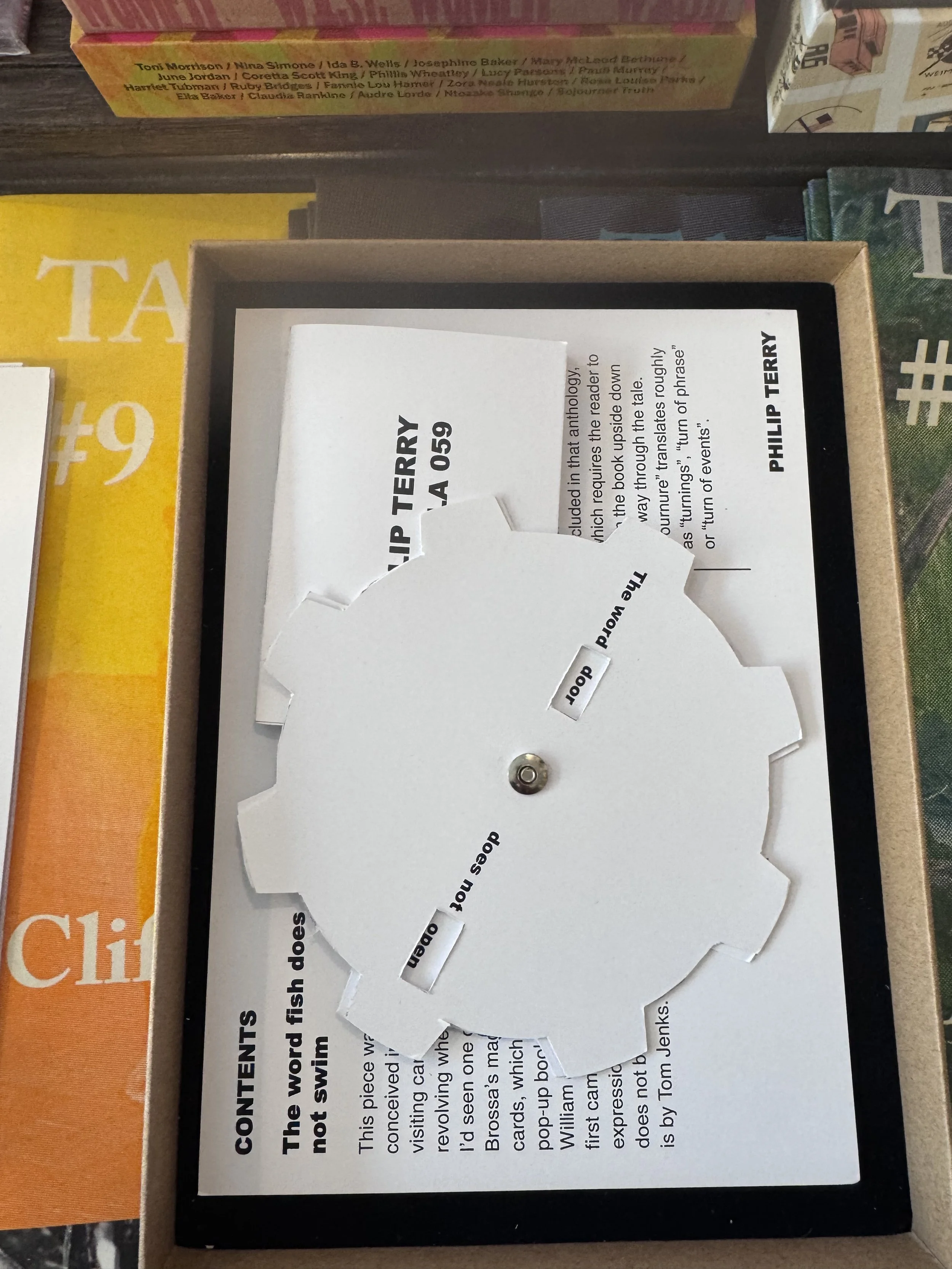
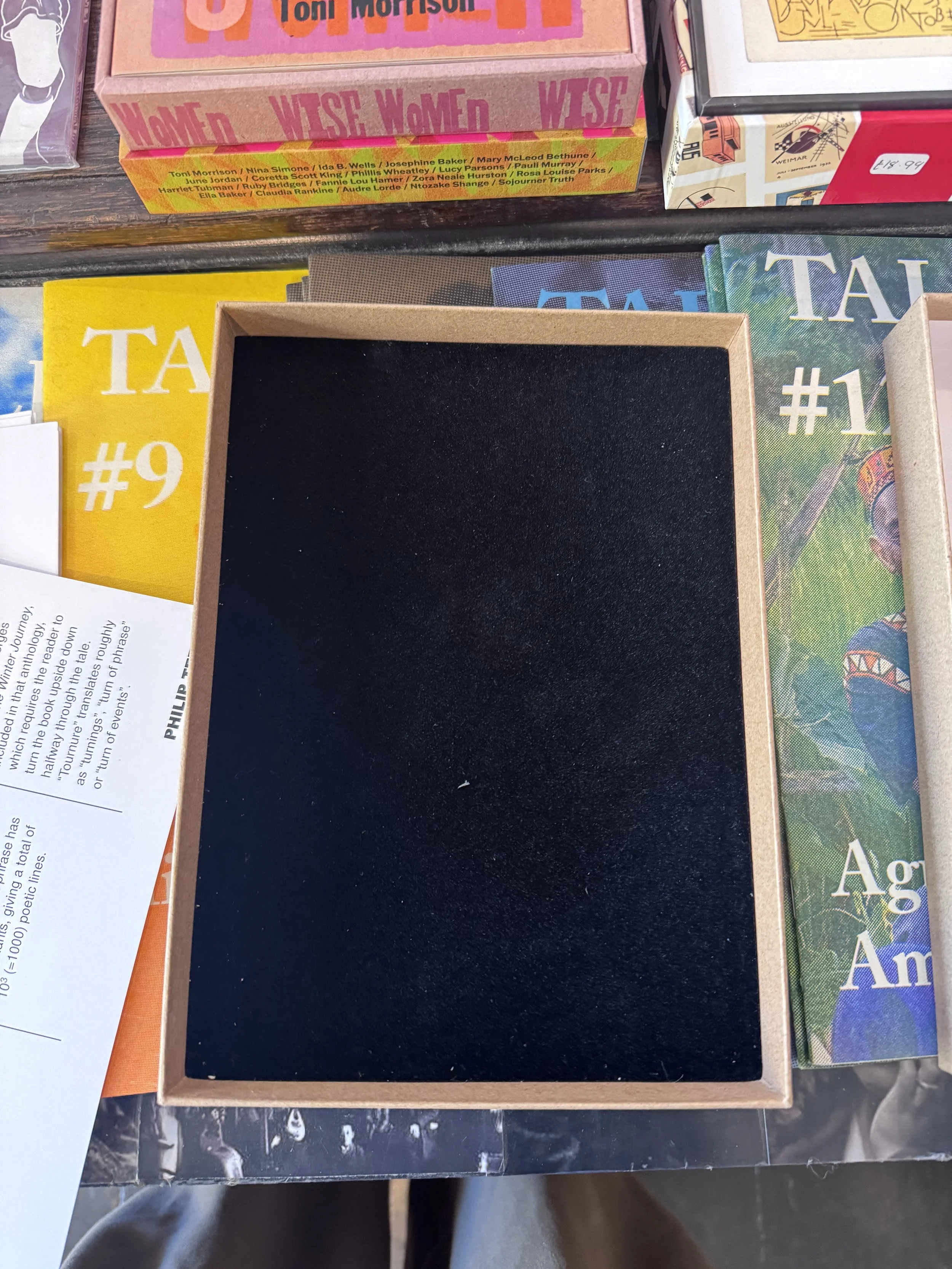
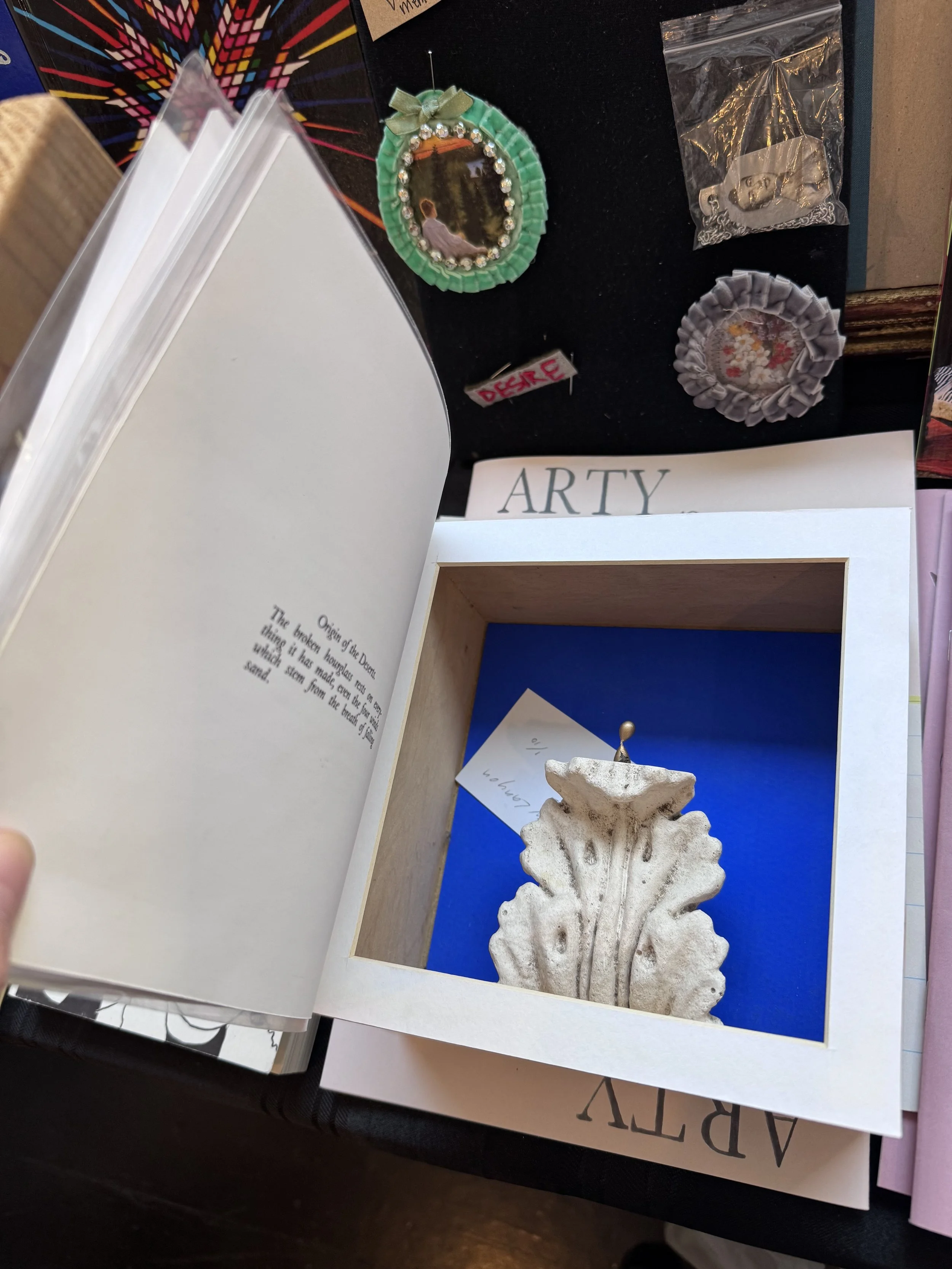
The first was Turns by Philip Terry — a box containing poetry and folders. I was drawn to the velvet foam base inside, and it inspired me to think about cutting foam to embed my small sculptures, placing my prints and other materials on top. The second was a wooden box that also held objects inside, resembling a miniature archive. Both books resonated with me because of their museum-like presentation, which aligns closely with my own artistic approach — especially the display trays I used in my degree show.
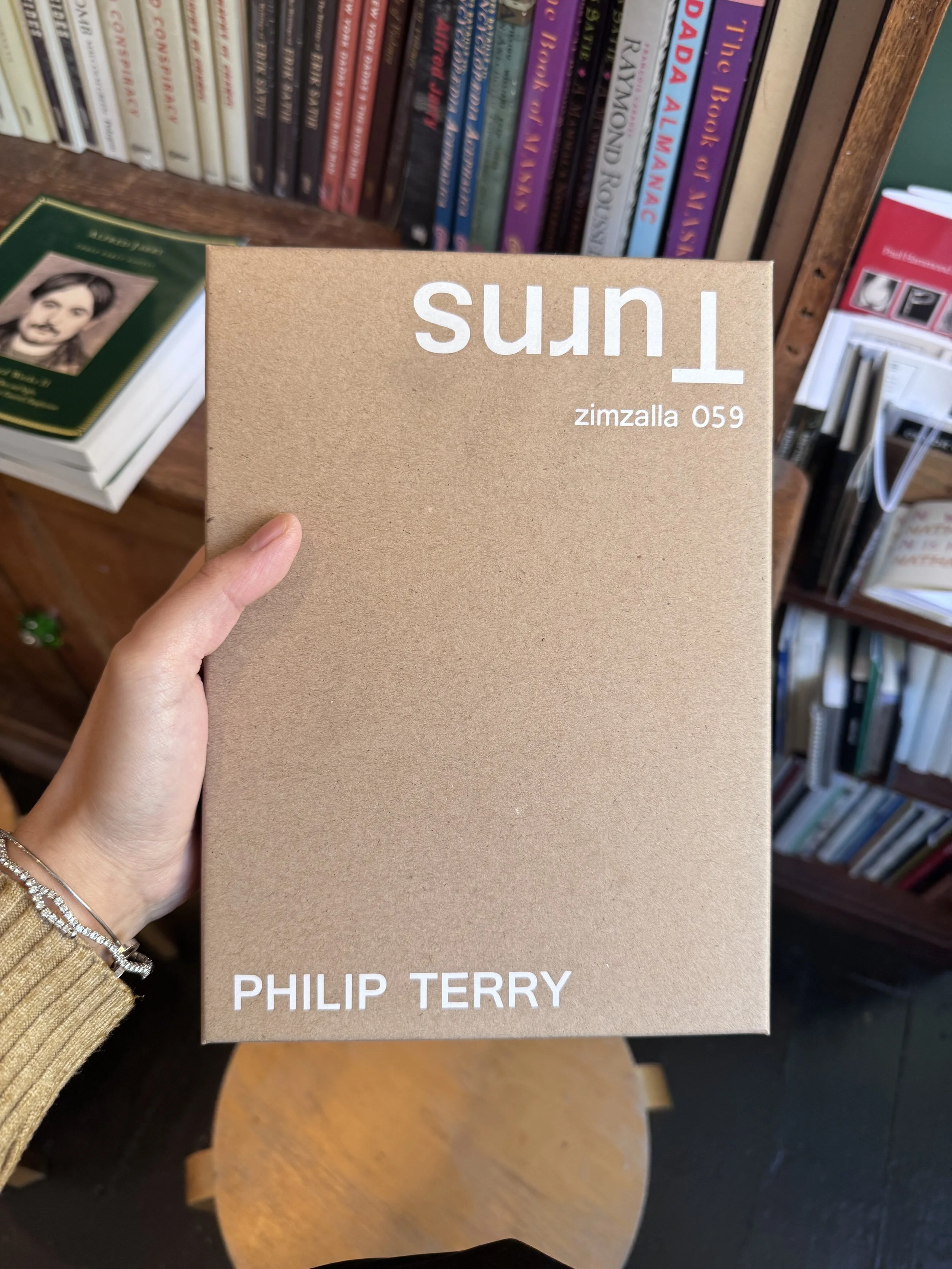
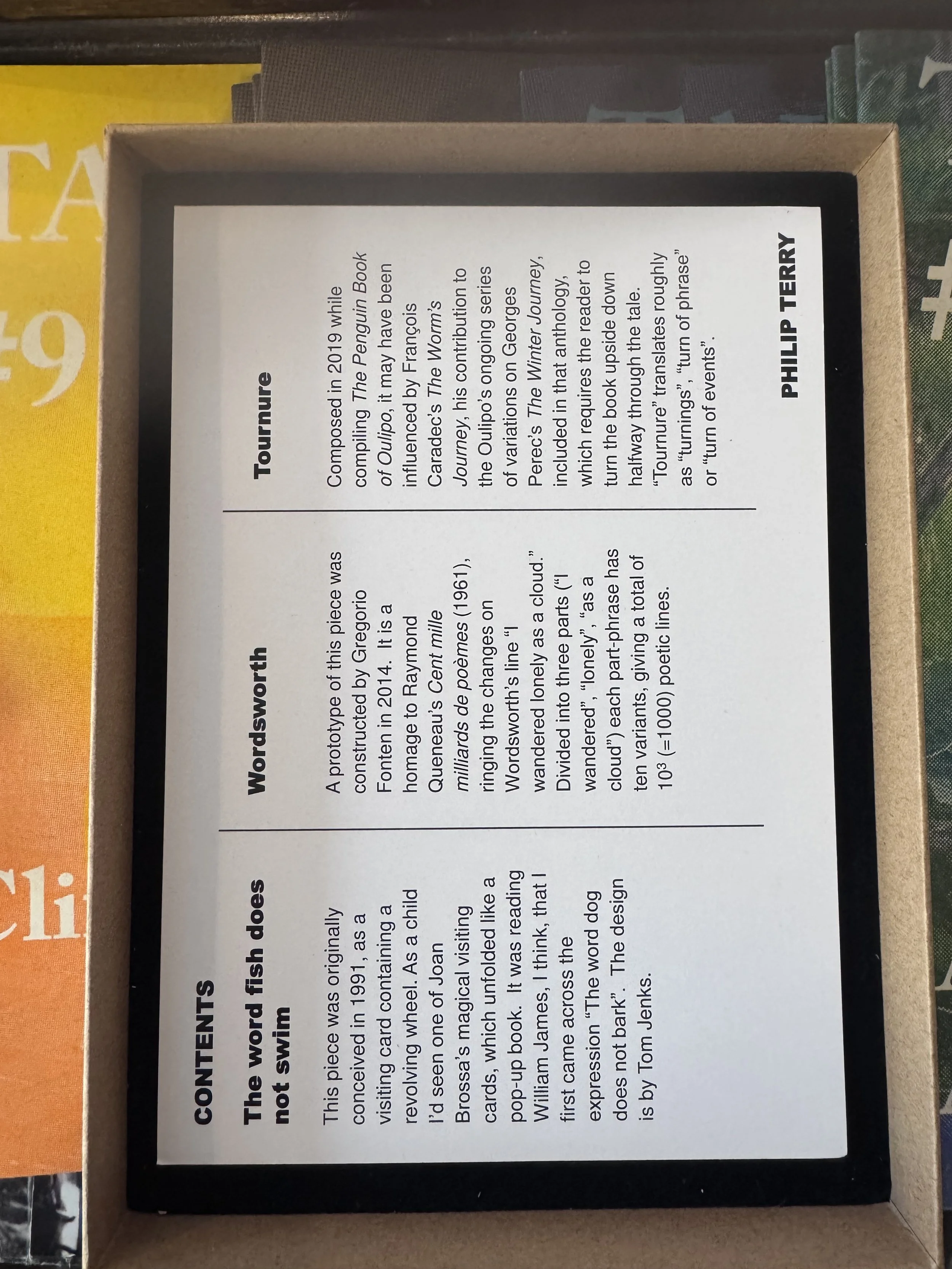
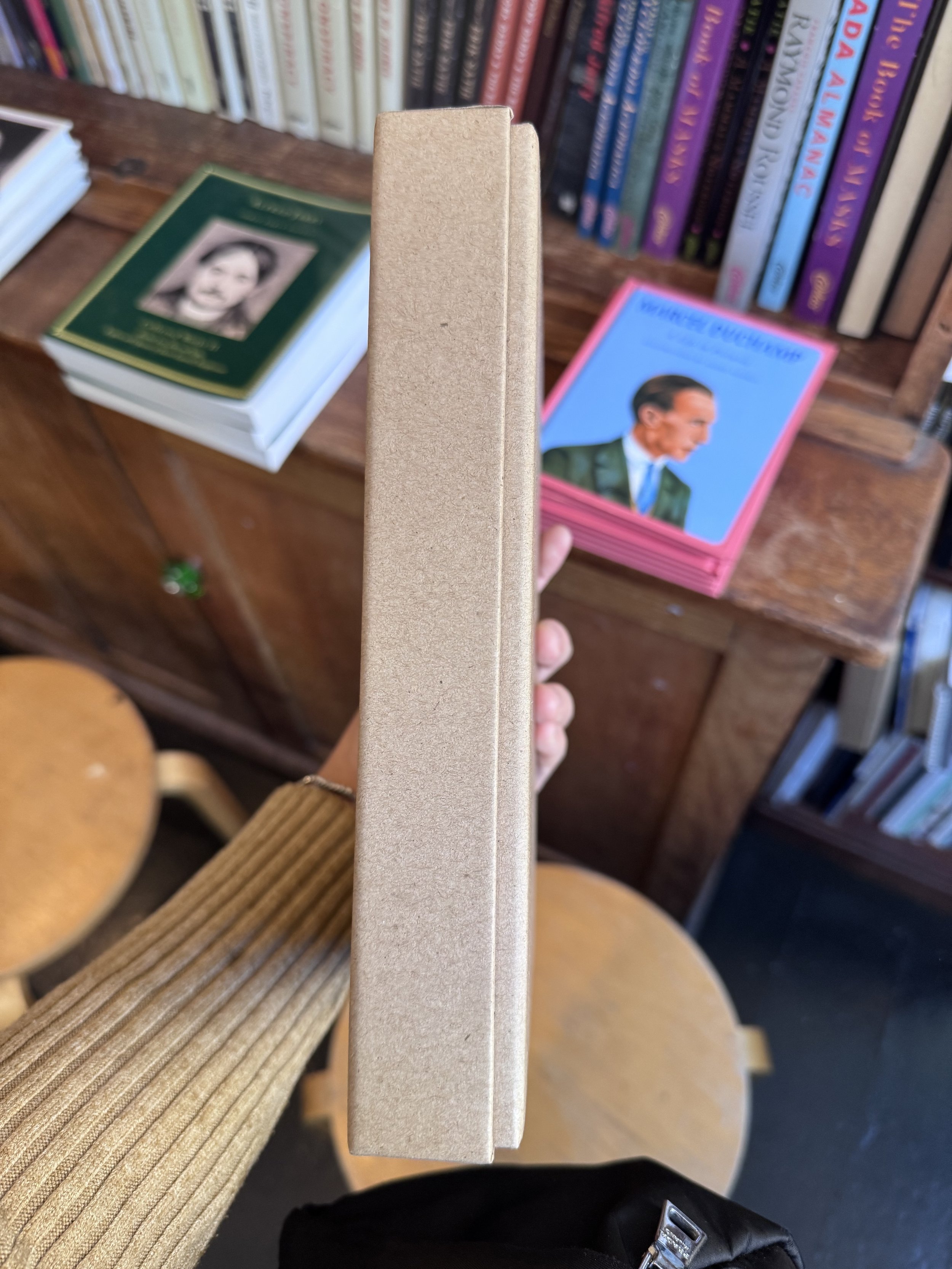
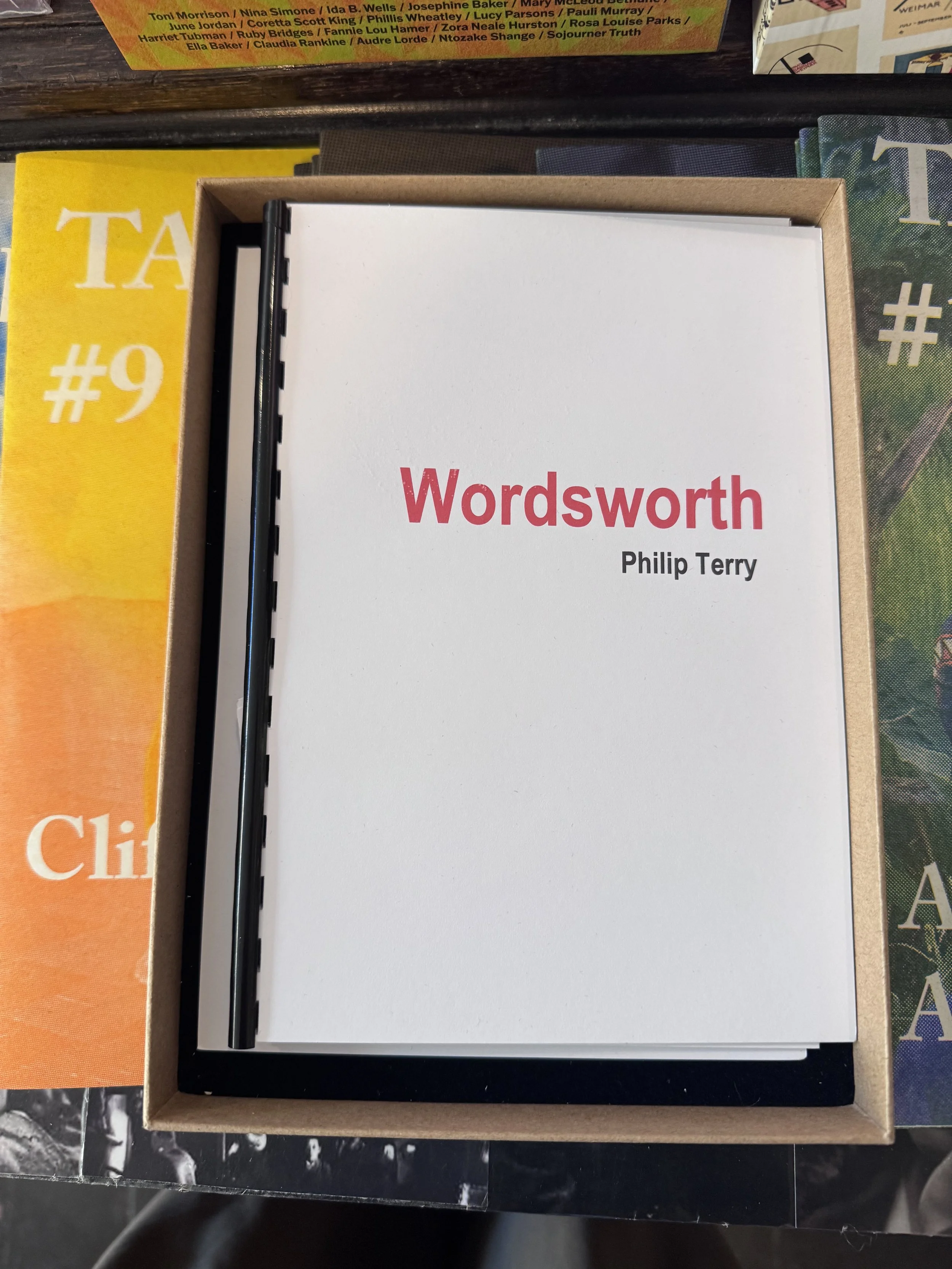
Turns by Philip Terry

The other woodbox book
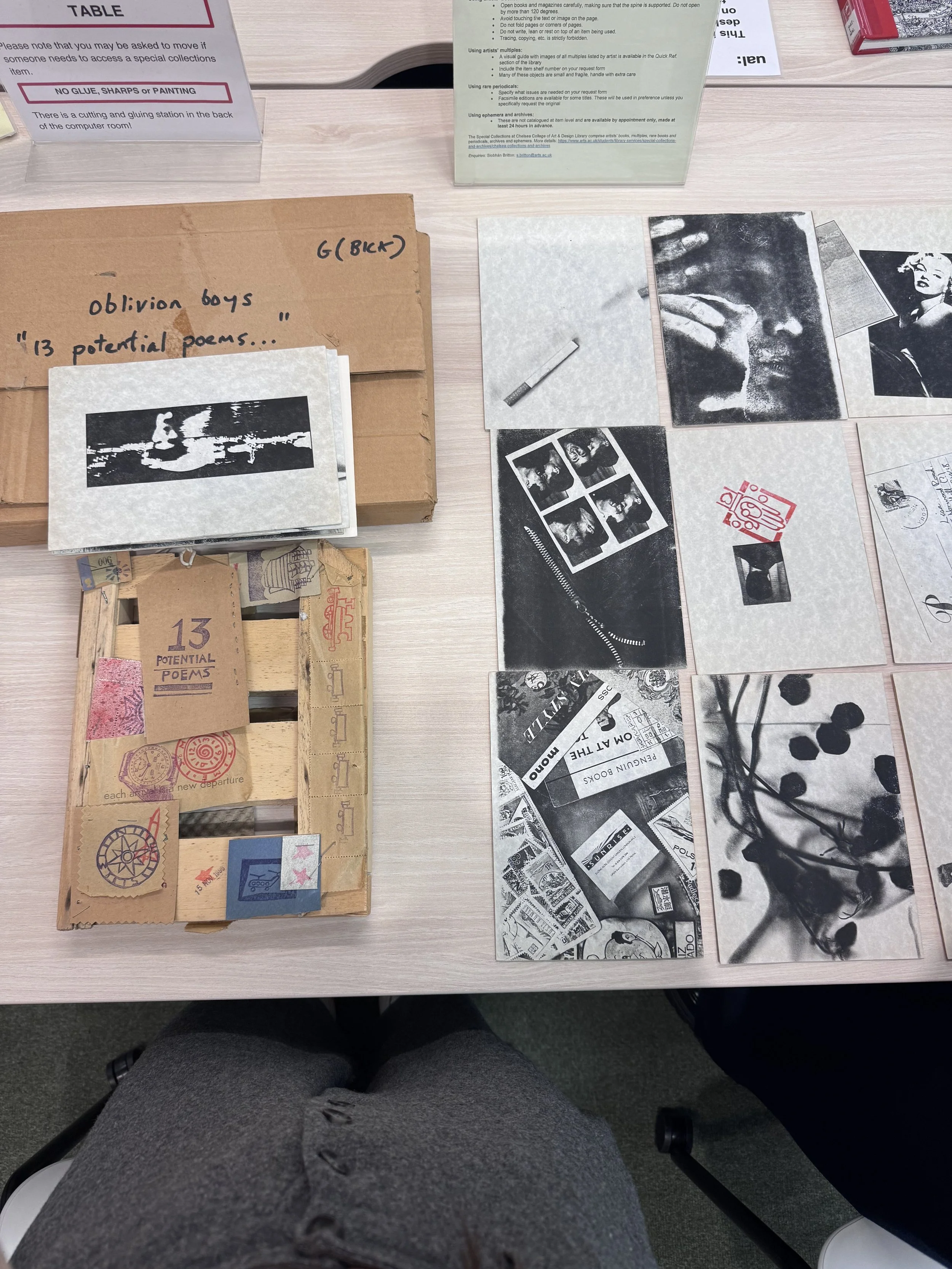
After visiting the bookshop, I also went to the Special Collections at Chelsea College of Arts, where I discovered a book titled 13 Potential Poems: The Incomplete Works by Les Bicknell and Derek Humphries. I found it particularly fascinating — the artists created a wooden case for the book and decorated it with stamps. Inside, there are thirteen individual folders, each containing a different poem. I was impressed by the creativity and uniqueness of this structure, as every folder presents its own poetic world within a cohesive whole.
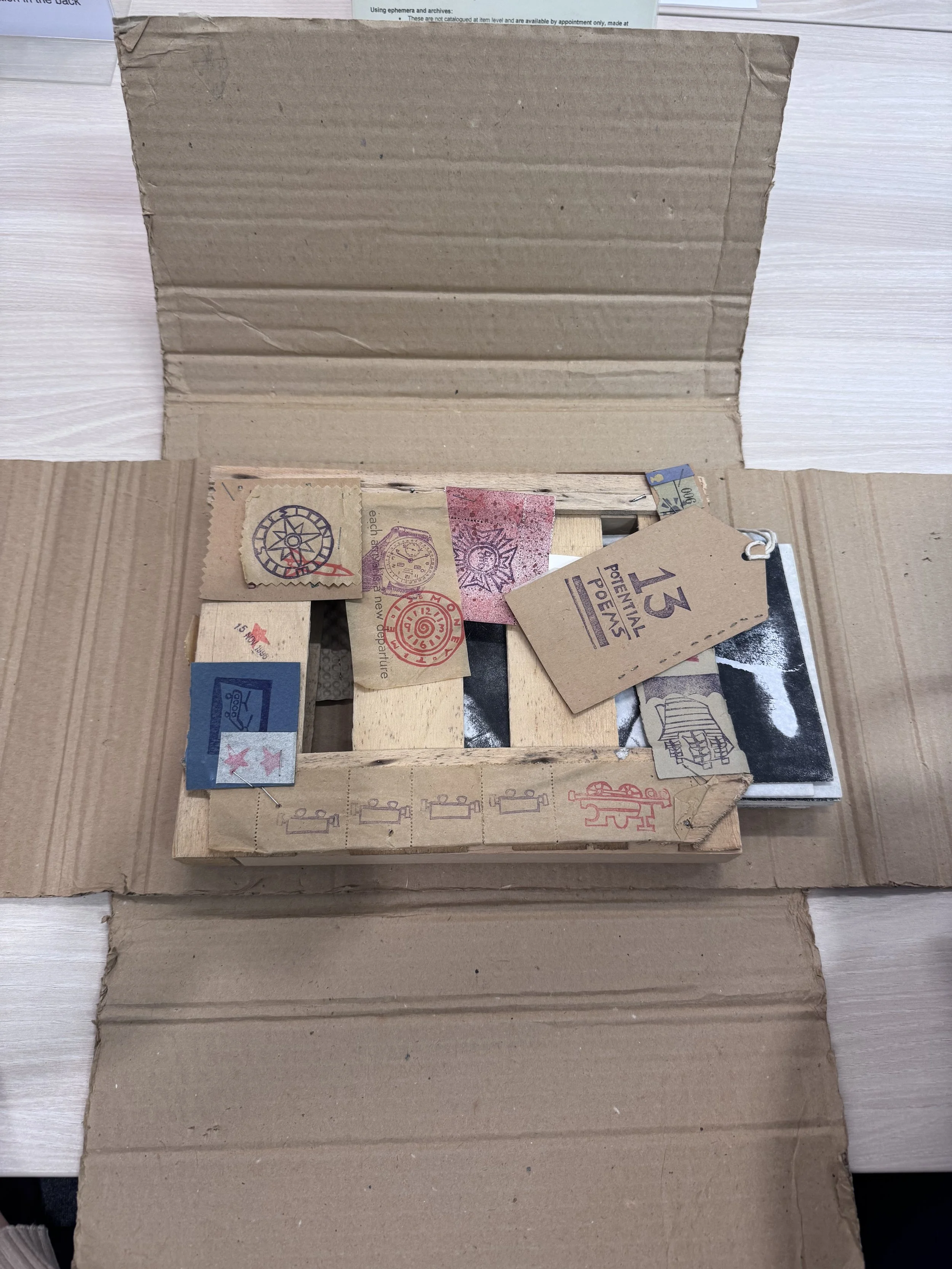
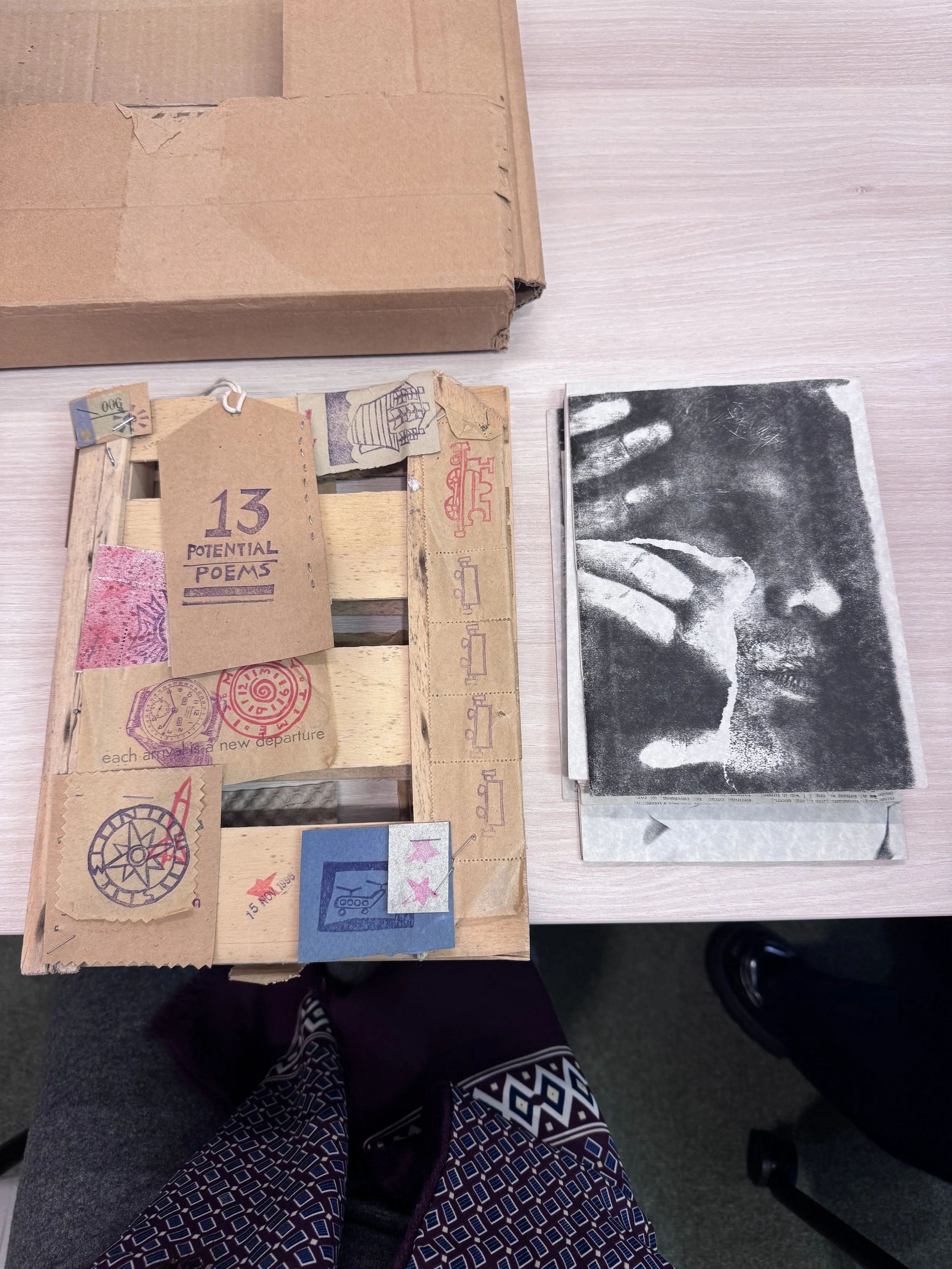
13 Potential Poems
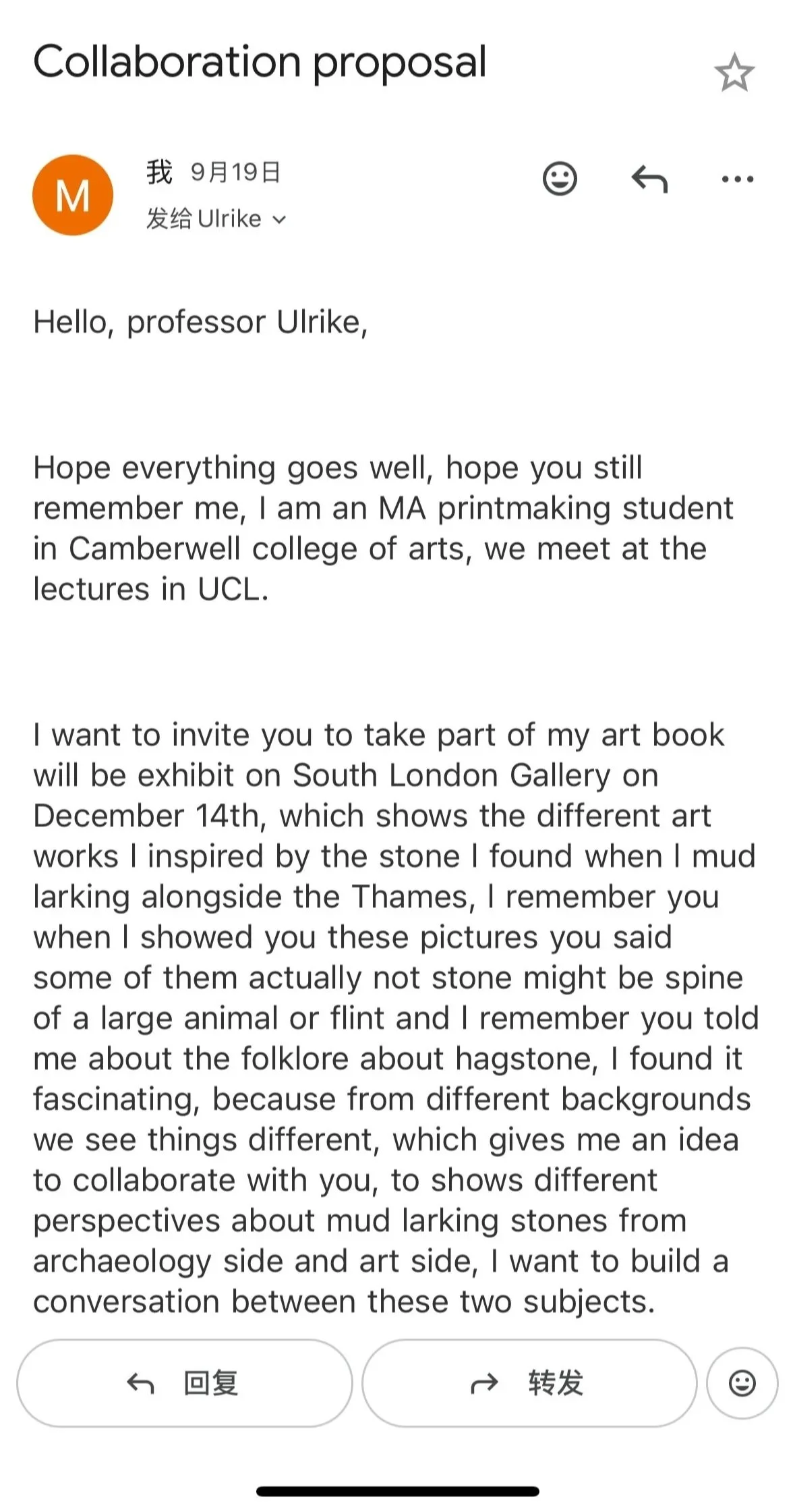
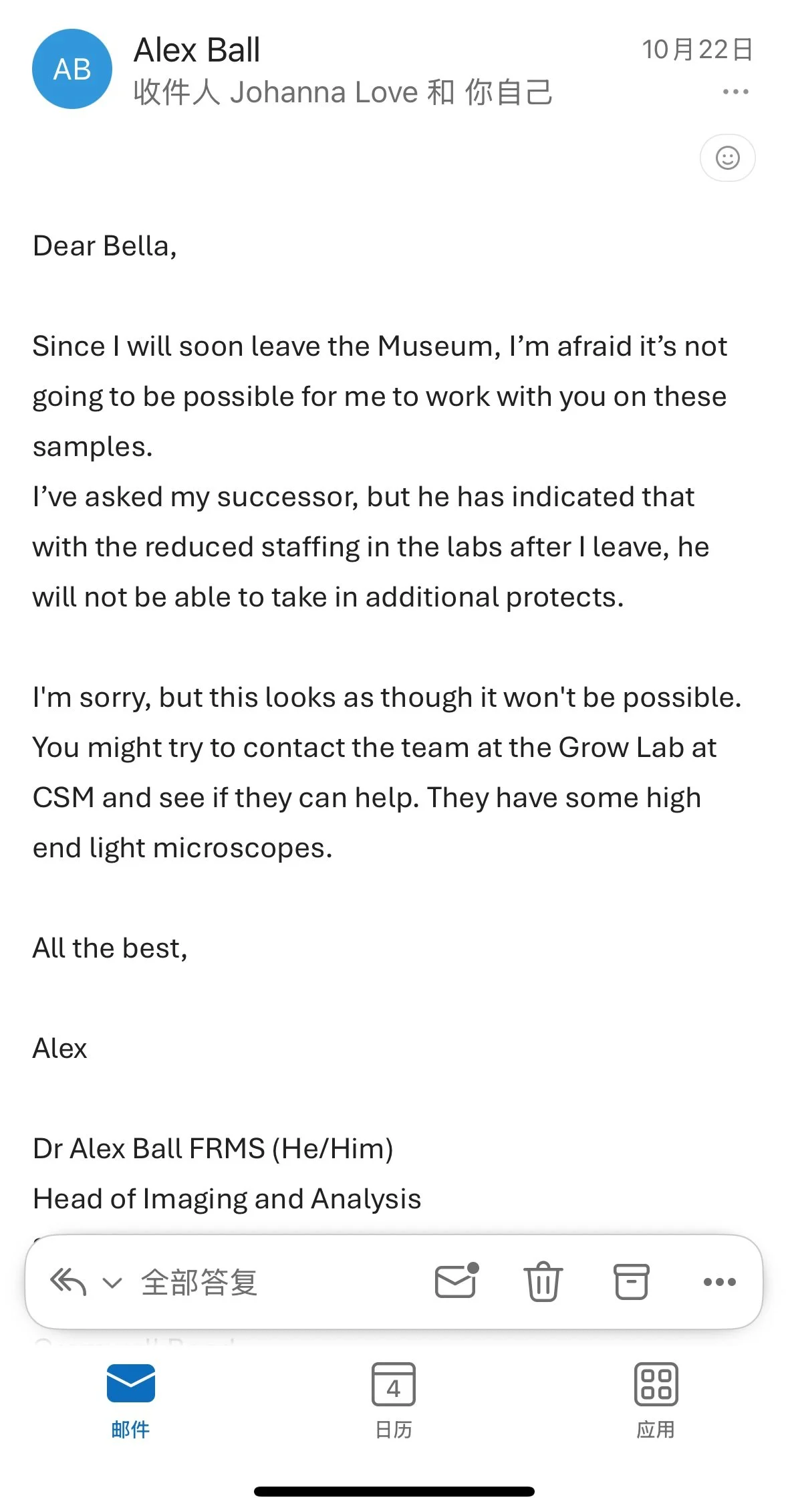
Reach Out to Archaeologist and Lab
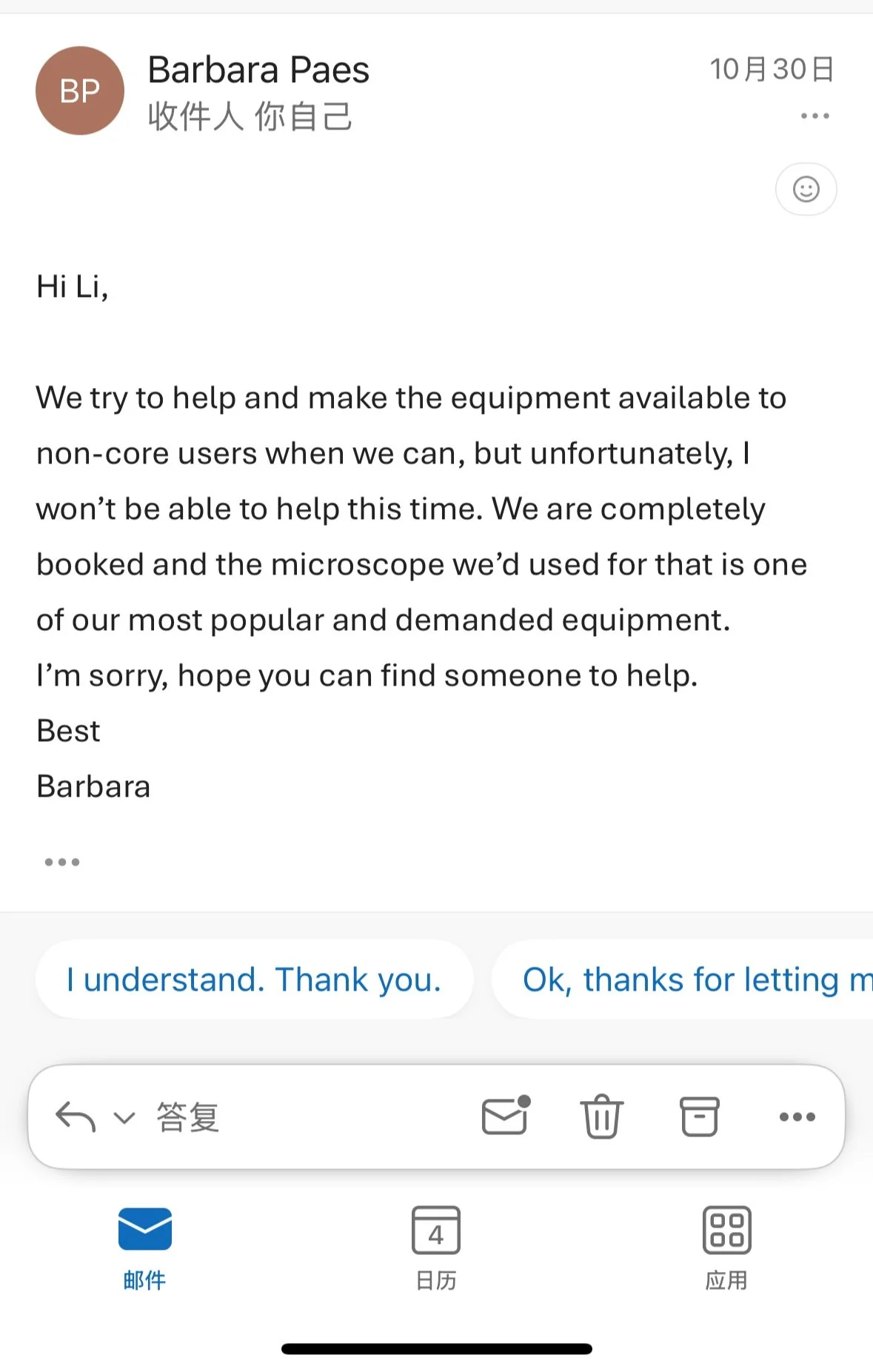
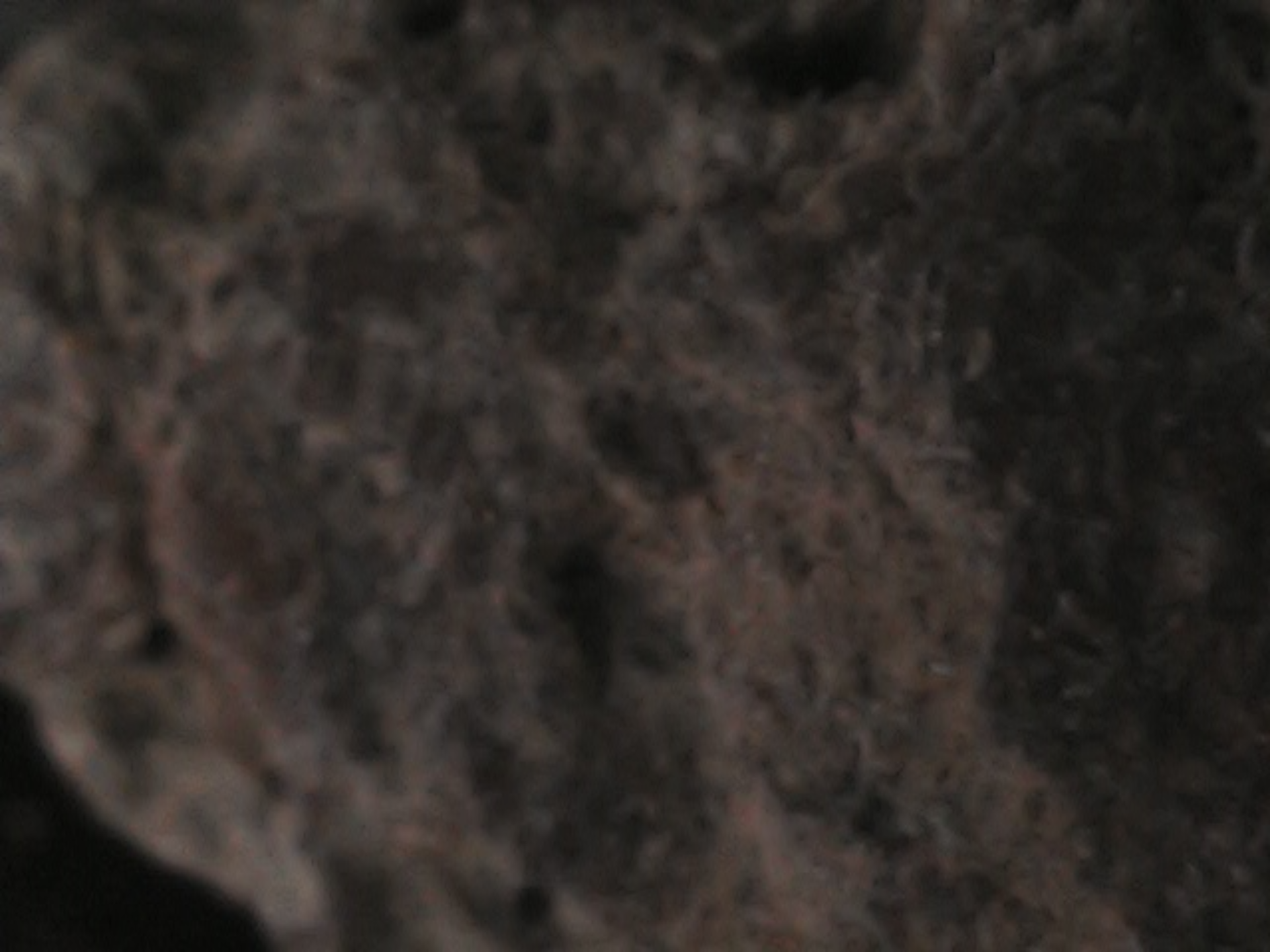
I have been actively seeking collaborations and access to laboratory resources for quite some time. I reached out to Professor Ulrike at UCL but did not receive a reply. With the support of my professor Jo, I also contacted the laboratory at the Natural History Museum; however, the person I was in touch with was leaving their position, so I was unable to use the lab facilities for my research. In addition, I contacted the Grow Lab at Central Saint Martins, but my request was declined due to high demand. Despite these challenges, I am not giving up. I will continue reaching out to potential collaborators and exploring new possibilities. In the meantime, I plan to keep working with my portable microscope to capture images and draw inspiration from my observations.
Development
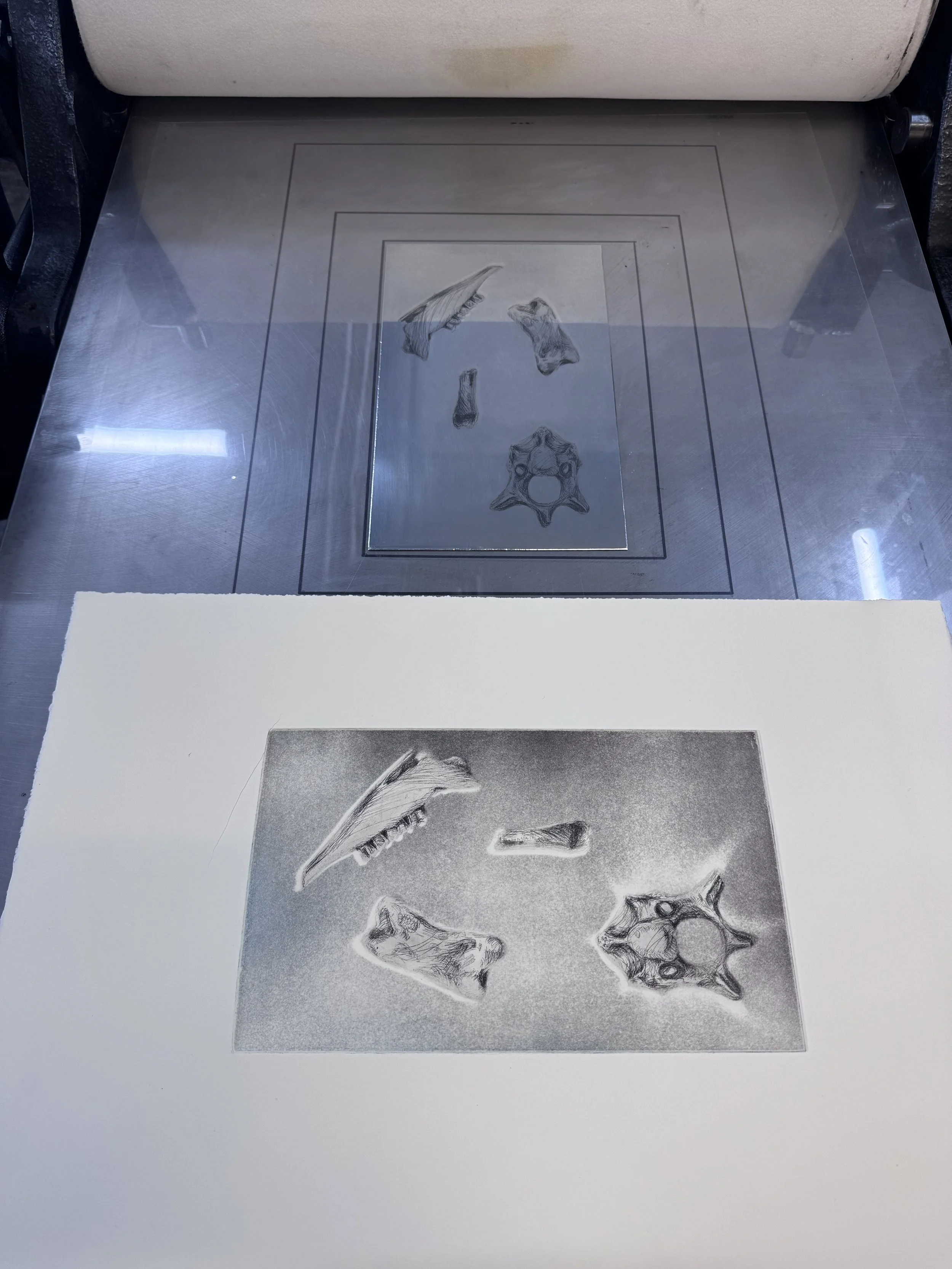
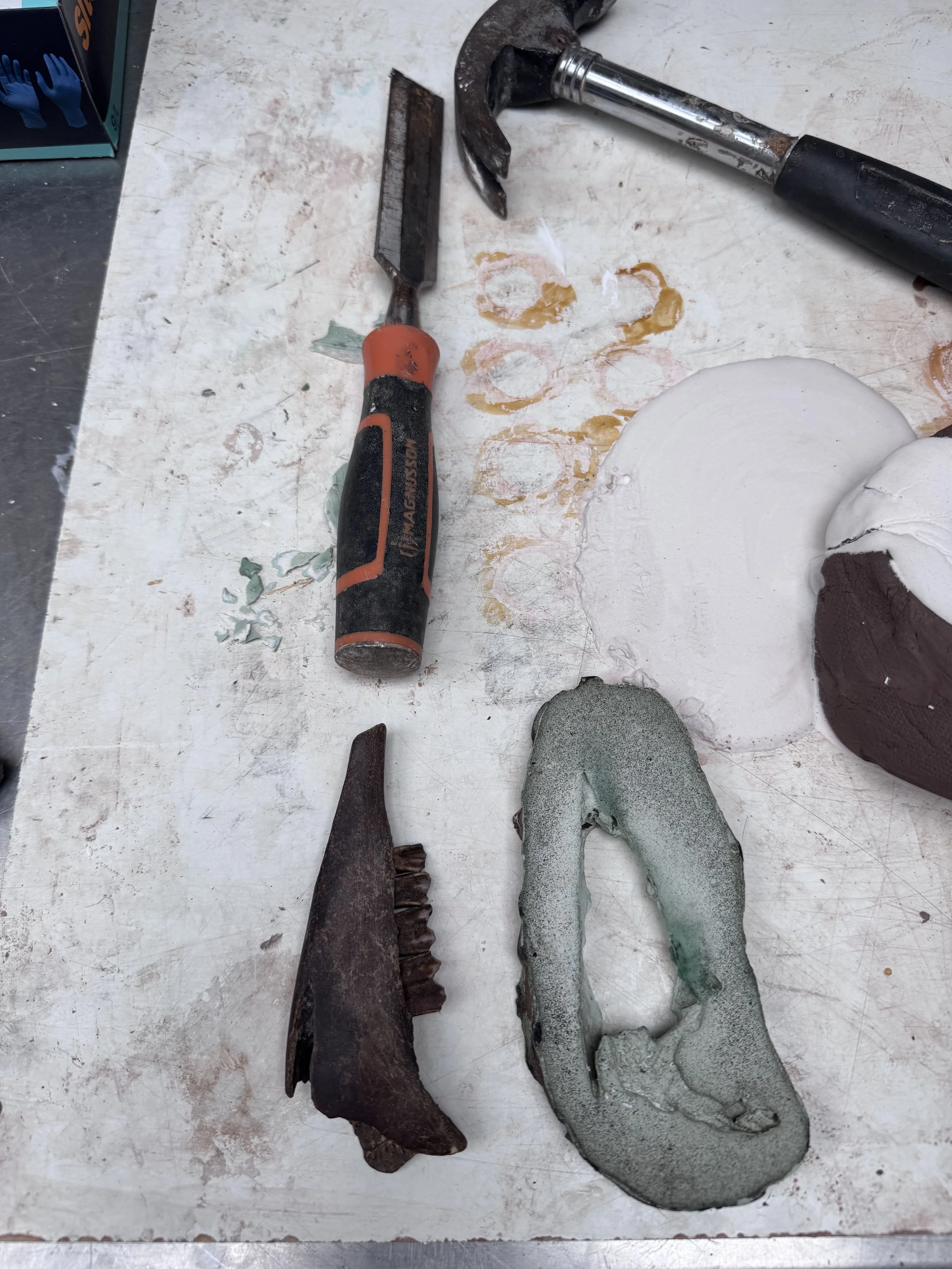
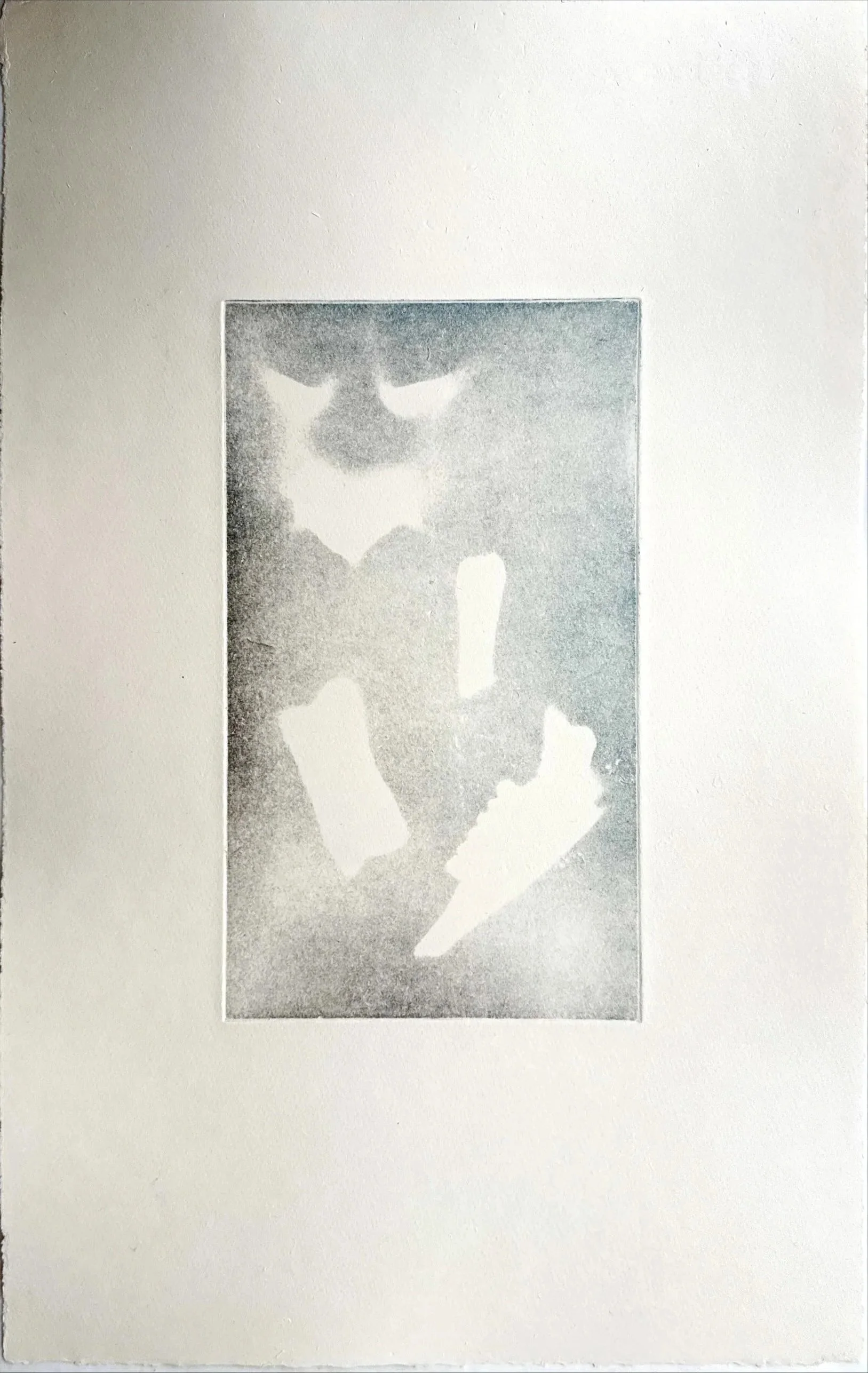
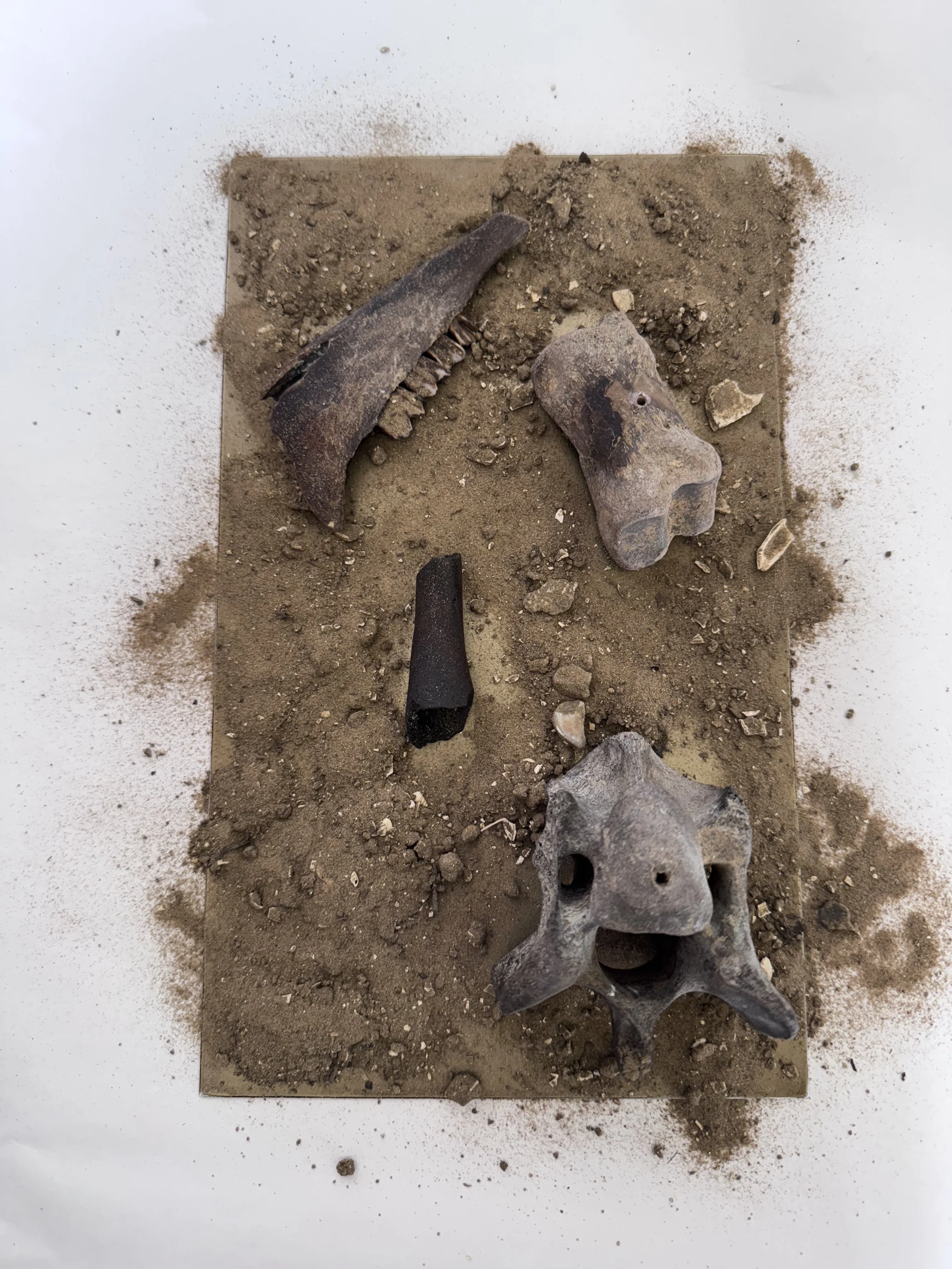
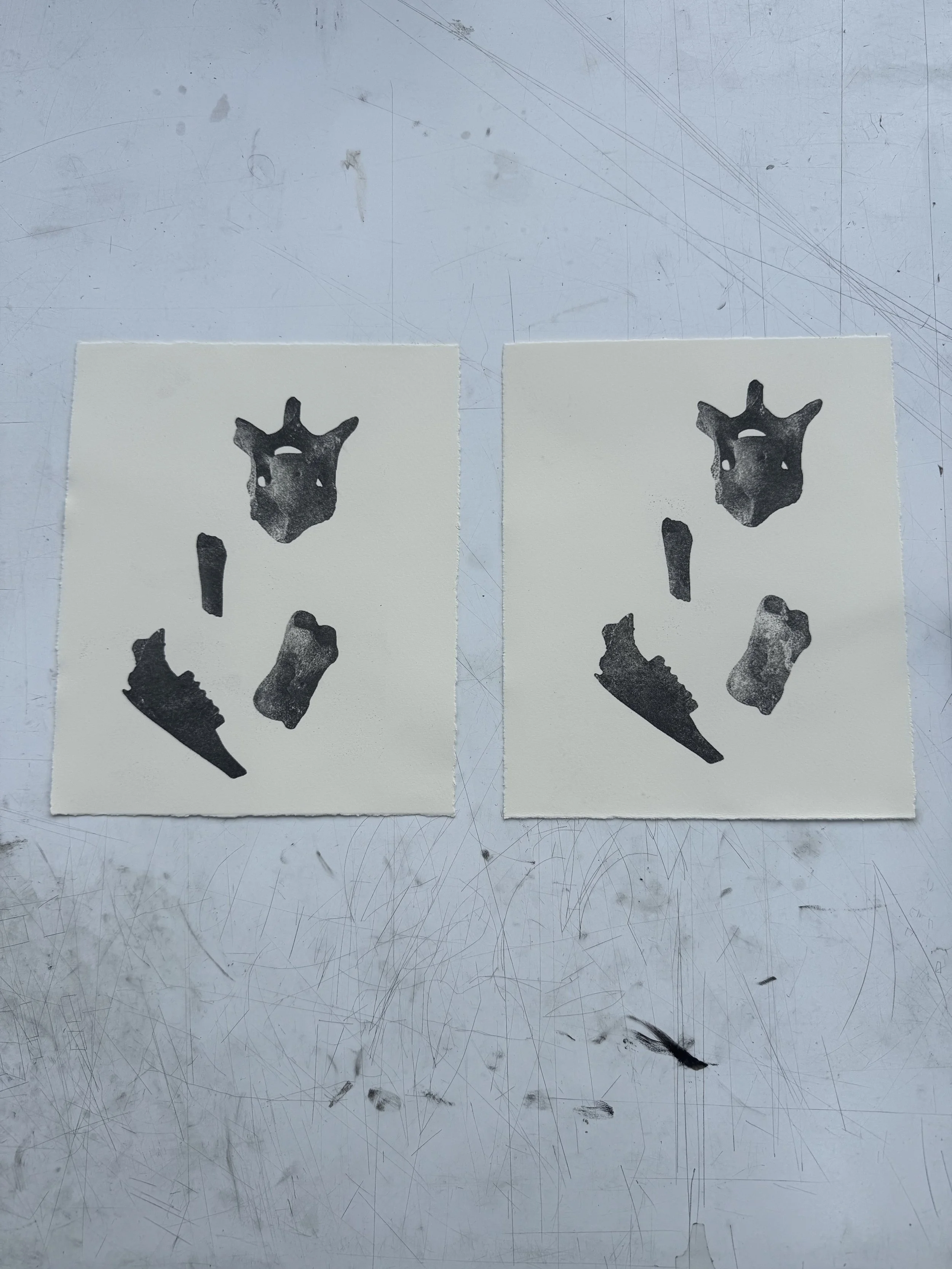
Inside the box, I plan to include a series of new prints I have been developing. For these works, I used the aquatint technique, allowing the resin to fall naturally onto the plate. I placed bones on the surface during the process, creating subtle shadow-like impressions around them. The concept behind this work is to explore the traces of life — the remnants that evoke both memory and mortality, returning ultimately to dust. It’s a poetic approach to printmaking, inspired by Henry Moore’s Six Stones prints.
Initially, I attempted to draw the bones directly, but the result felt awkward and unnatural. I then experimented with hard ground to add texture, followed by pressing soil onto the surface, though it failed to produce the sharp marks I wanted. I also tried image transfer on top of the print, but the composition felt inconsistent. Finally, I decided to use the photopolymer technique, though I haven’t yet completed the final print.
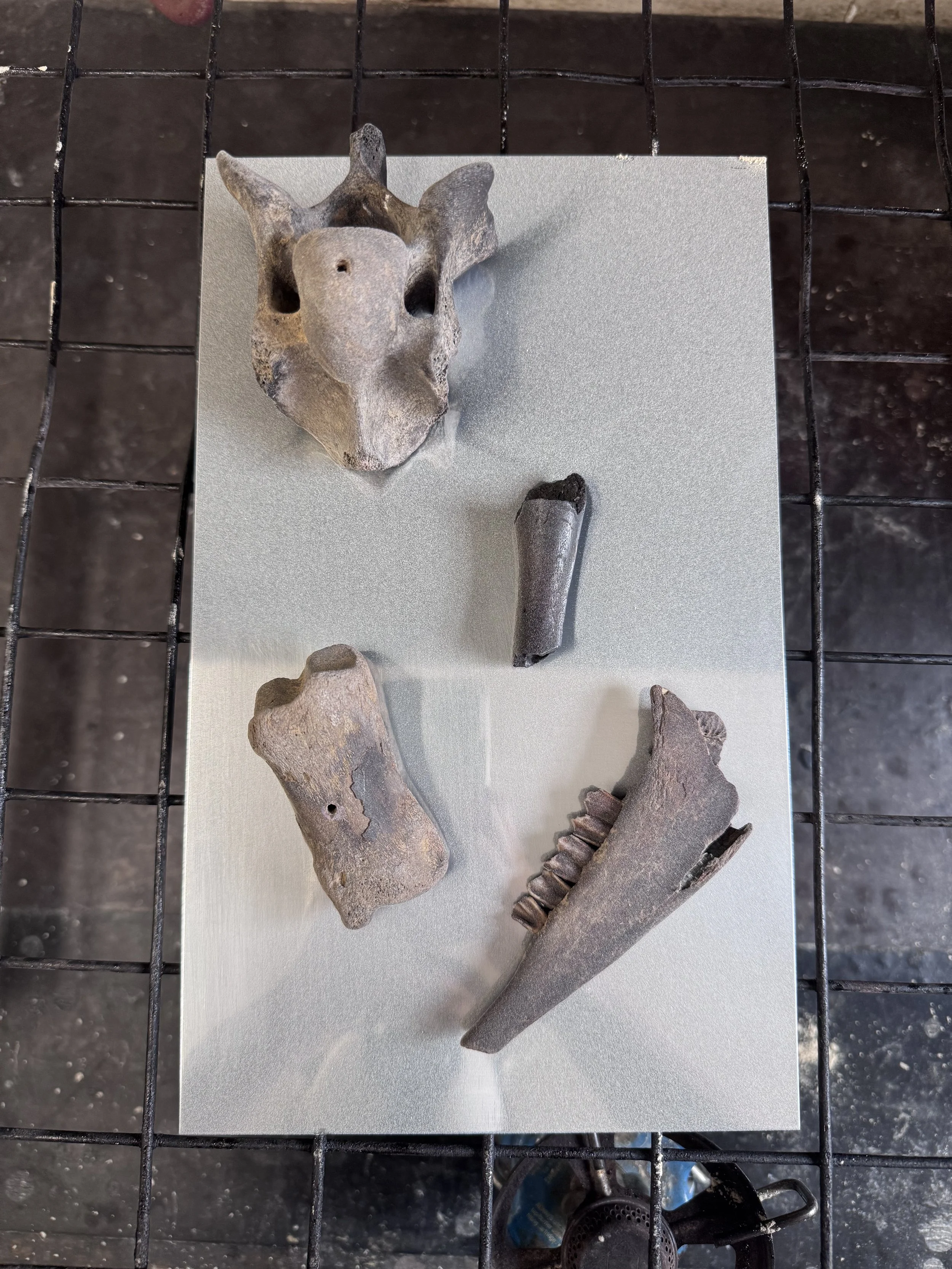
Boxing aquatint and print
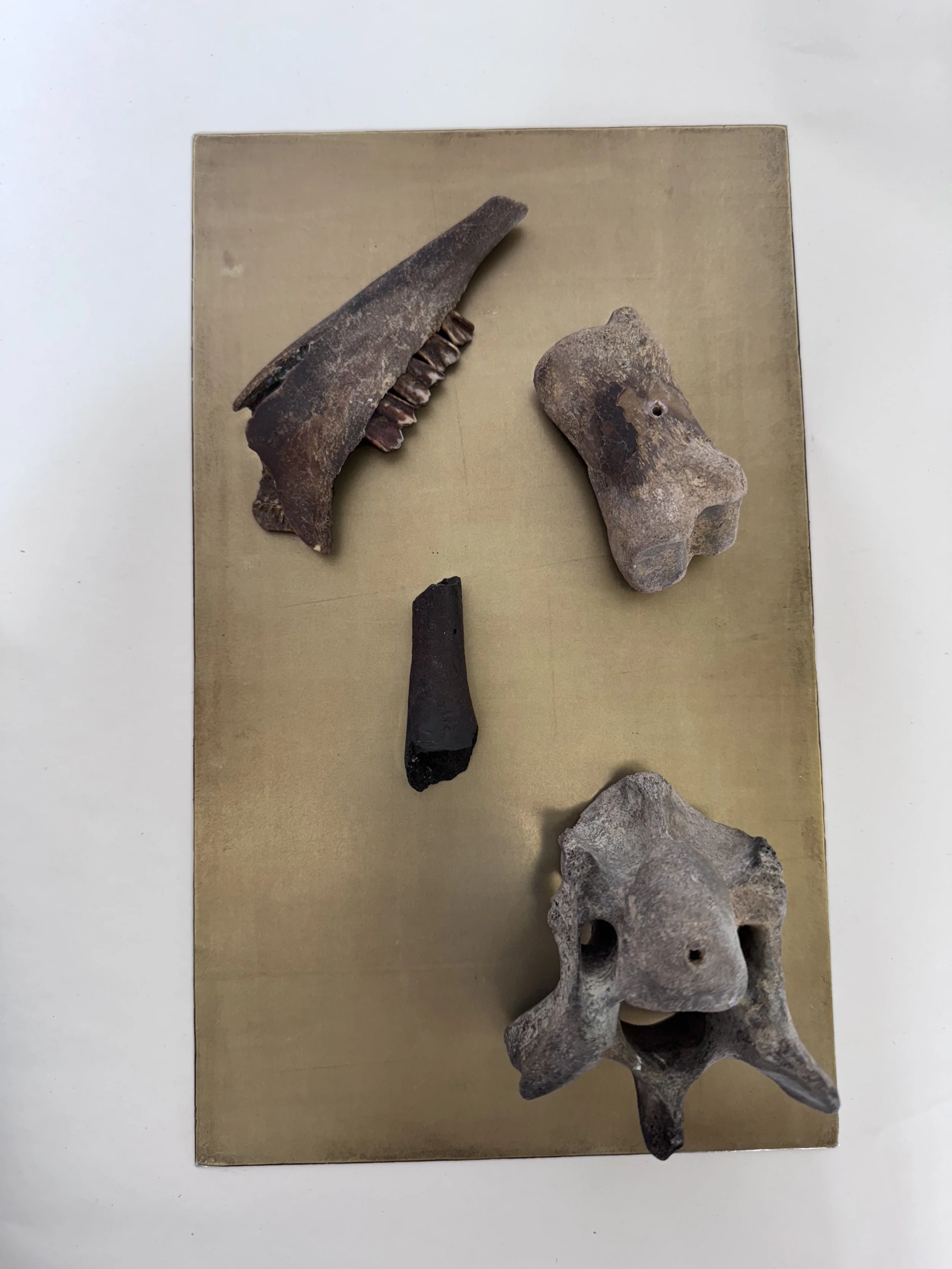
Hard ground and soil
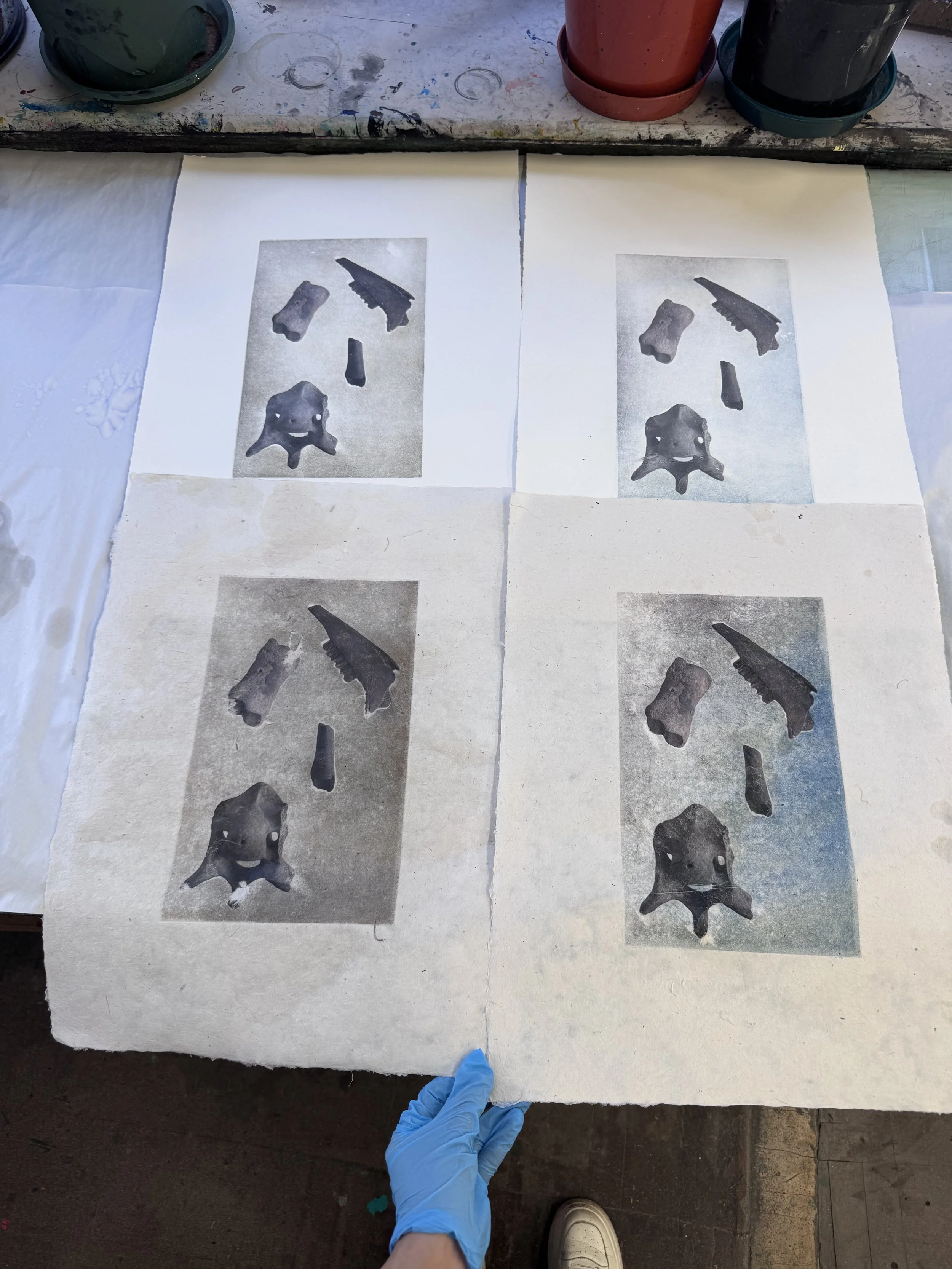
Test print doesn’t work well
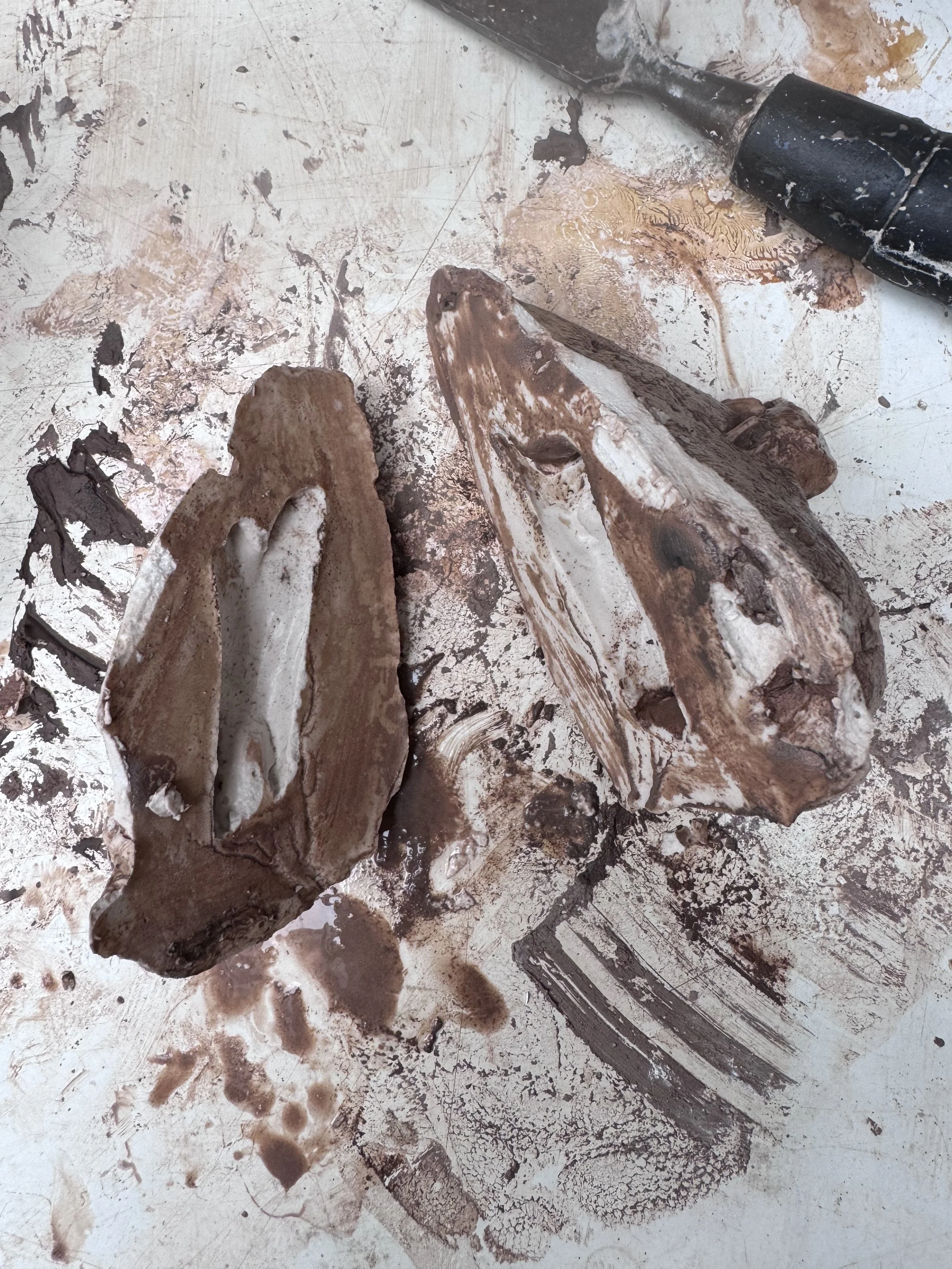
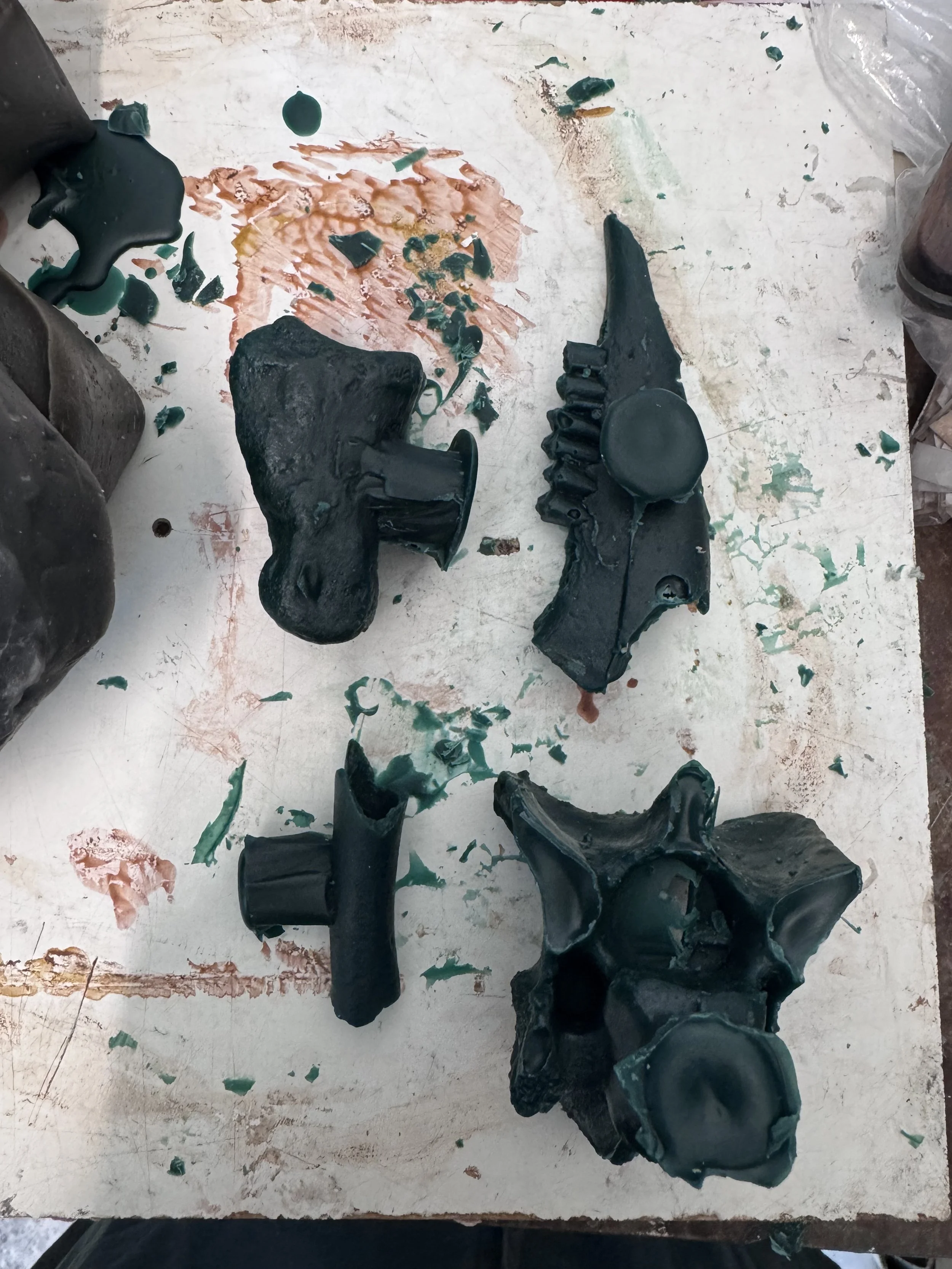
Sculpture test out
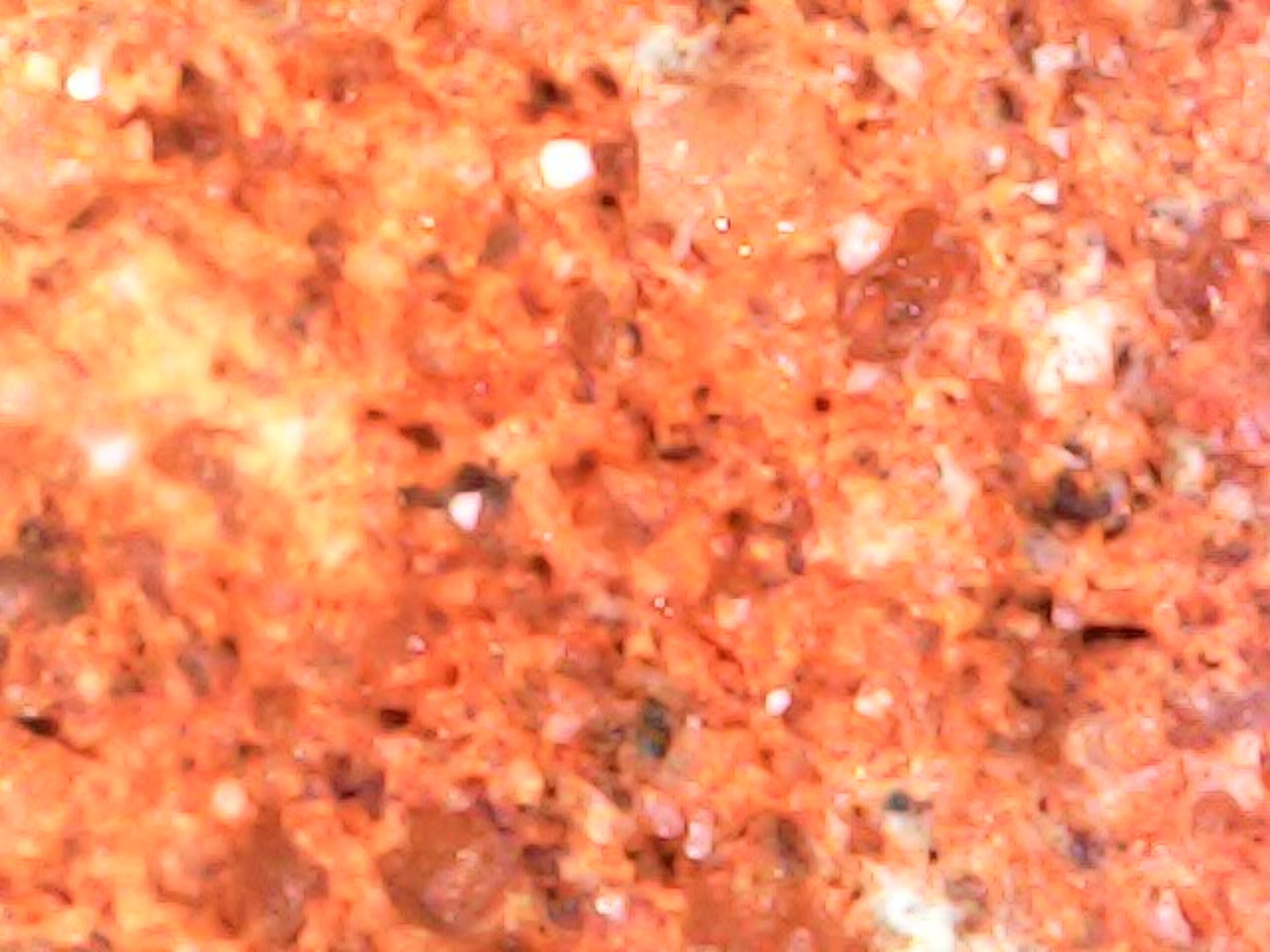
Microscopic images

Research Festival Plan
I have been thinking about the Research Festival for a long time, and I plan to create an artist book titled Microcosm. This project continues the journey that began with my MA degree show, presenting my ideas in a more resolved and organized form. Microcosm will act as a collection that reflects my ongoing exploration of existence and the ways we understand the world.
After the degree show, I began questioning my methods of display — asking whether my presentation was clear, coherent, and effectively communicated my concept to the audience. Through this project, I aim to refine that communication, designing a more focused and visually considered experience.
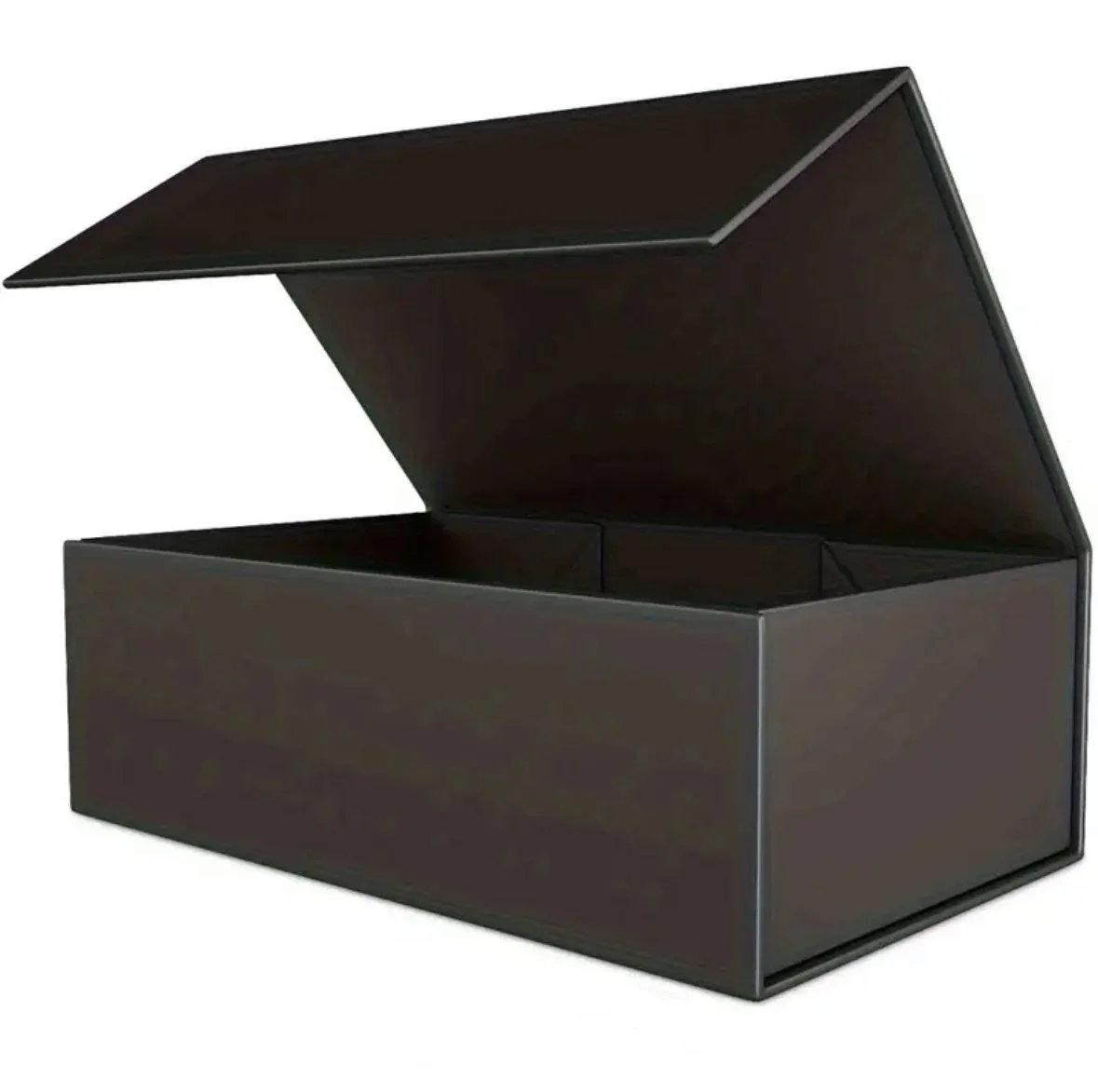
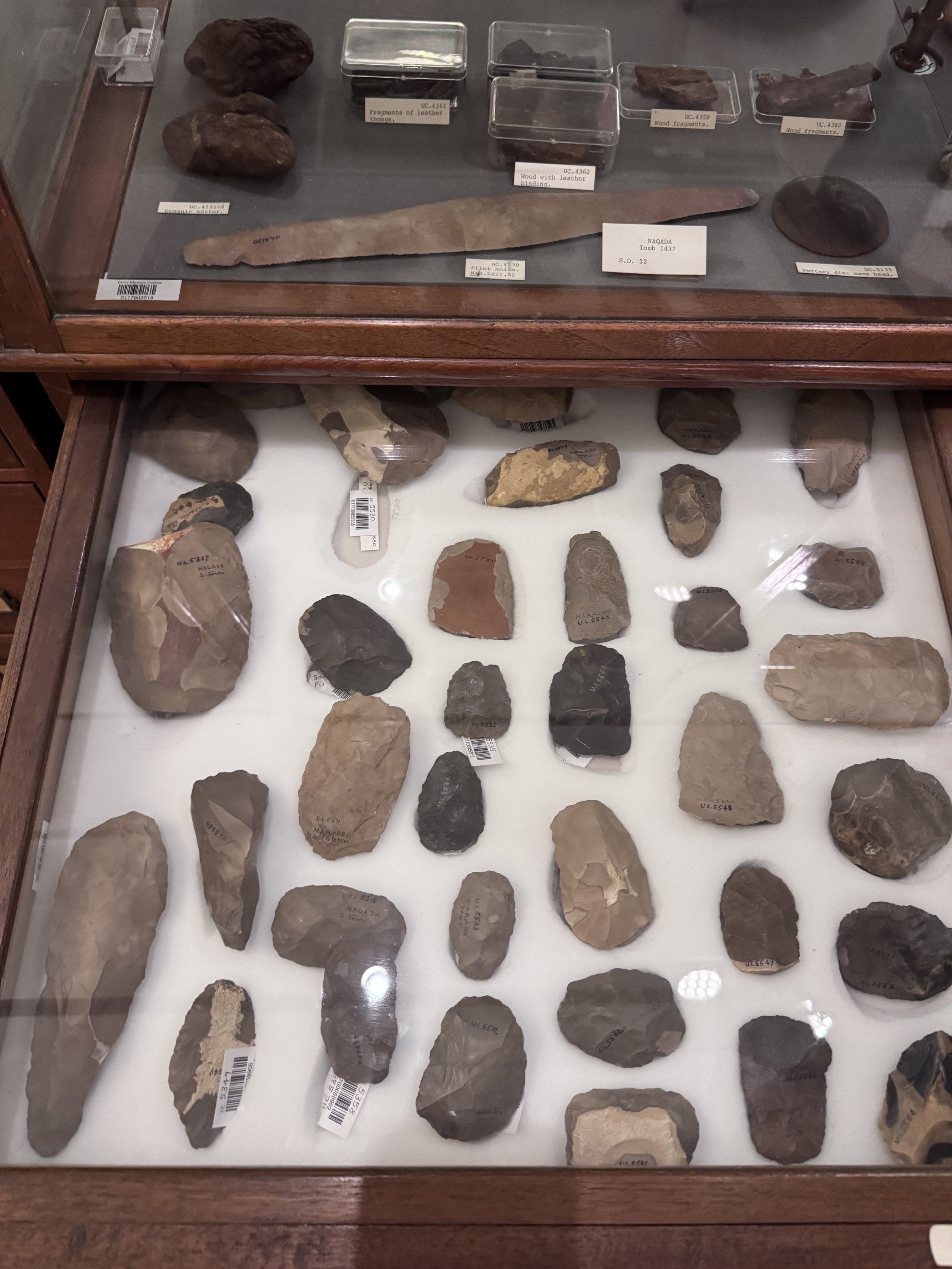
The work will be presented inside an archive box, lined with velvet foam in which I will cut individual spaces for my wax sculptures. On top of the box, I plan to include embossed prints, microscopic images, and small bone fragments, accompanied by a magnifying glass. This interactive arrangement will invite viewers to observe closely, evoking the atmosphere of science and archaeology, and encouraging reflection on the traces of life and the material connections that shape our understanding of existence.
Archive box
Magnifying glass
Foam base